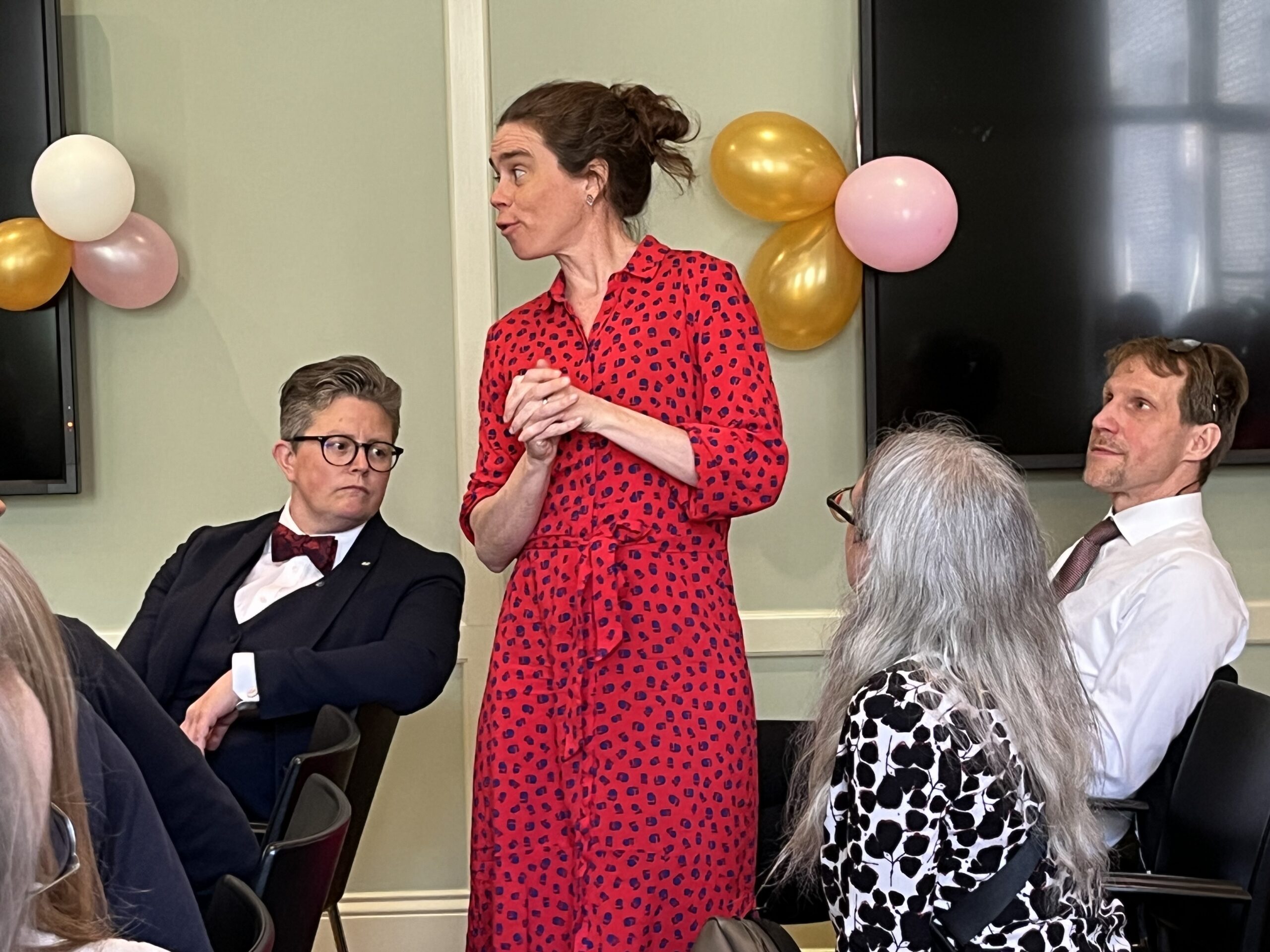
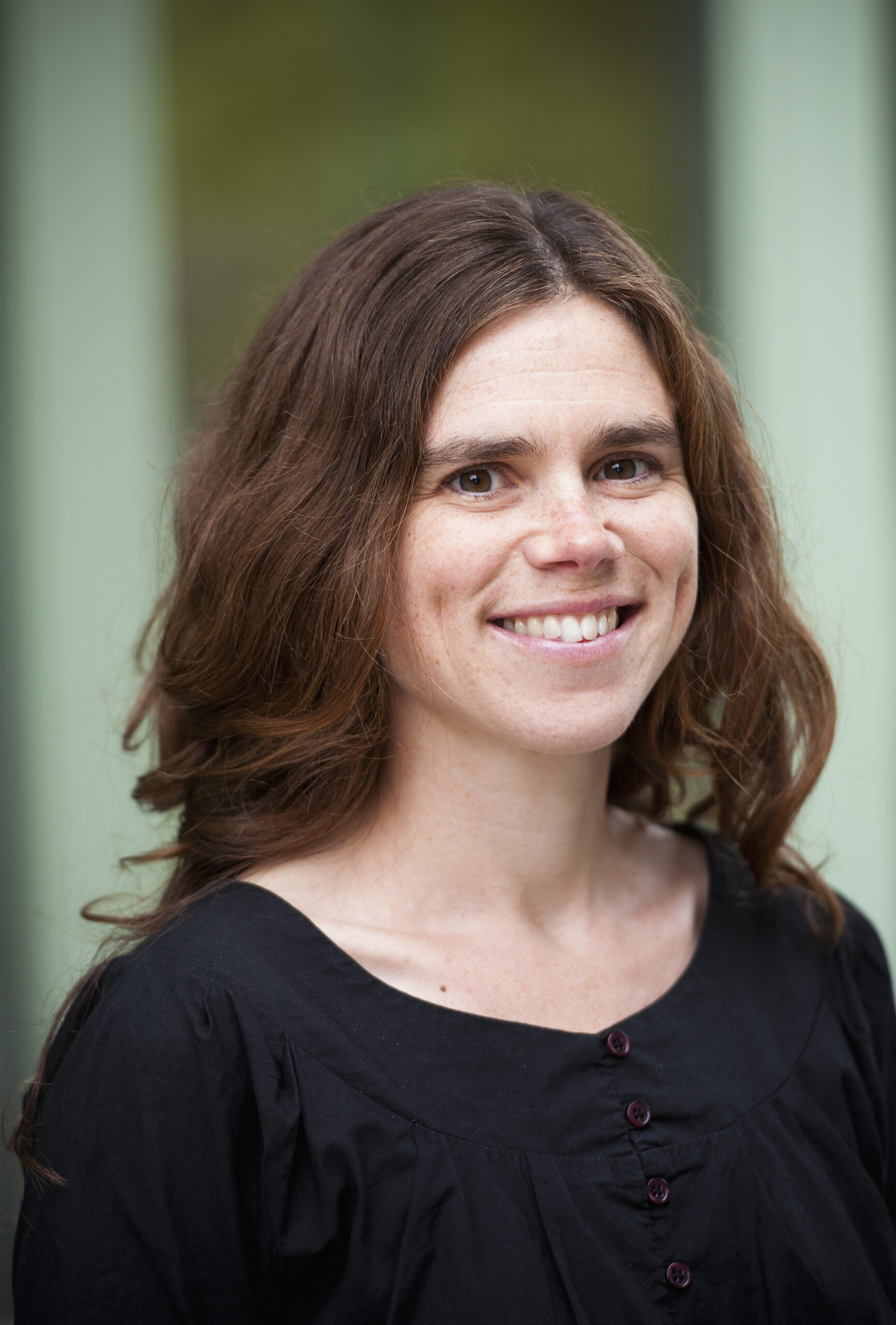
Photo: Erik Thor/SUA
Earth’s climate is changing rapidly, due to anthropogenic (human) activity. The physics behind enhanced greenhouse effect and global warming have been known for more than a hundred years, but because the climate system is complex and comprises numerous feedback mechanisms, we can’t say exactly how sensitive the climate is to our influence – how much warmer will it get, and how soon? The greatest uncertainties are related to clouds and how their abundance and properties change when the climate changes. As senior lecturer in climate modelling at the Department of Meteorology and the Bolin Centre for Climate Research, I focus my research on the role of clouds in the climate system – how clouds are affected by increasing temperatures and how cloud properties change with varying abundance of aerosols, or tiny particles such as dust, smoke or air pollution, in the air. Using global climate models we can produce simulations of past and present climate variations, evaluate them against observations, and improve our understanding and representation of the processes that determine the sensitivity of the climate, to make better projections of future climate.
Born: 1978
Interests: I like to spend my free time with family and friends, and also enjoy singing in a choir, reading, practicing yoga and climbing.
Other: In my younger years, I have also worked as a Christmas card sorter, tenor saxophonist and climbing instructor, with varying success.
Working to promote internationalization, interdisciplinary and outreach activities together with like-minded people, of course, feels very inspiring. A specific research policy issue that I would like to highlight is that of gender equality in the academic world, and especially in science/technology area, where I work; as a woman in a male-dominated field, by continuing my own career, I can both improve the statistics and be a role model for younger female students and researchers, but I want to do more.
Latest news from the Young Academy of Sweden, published approximately six times a year. You can unsubscribe at any time.